


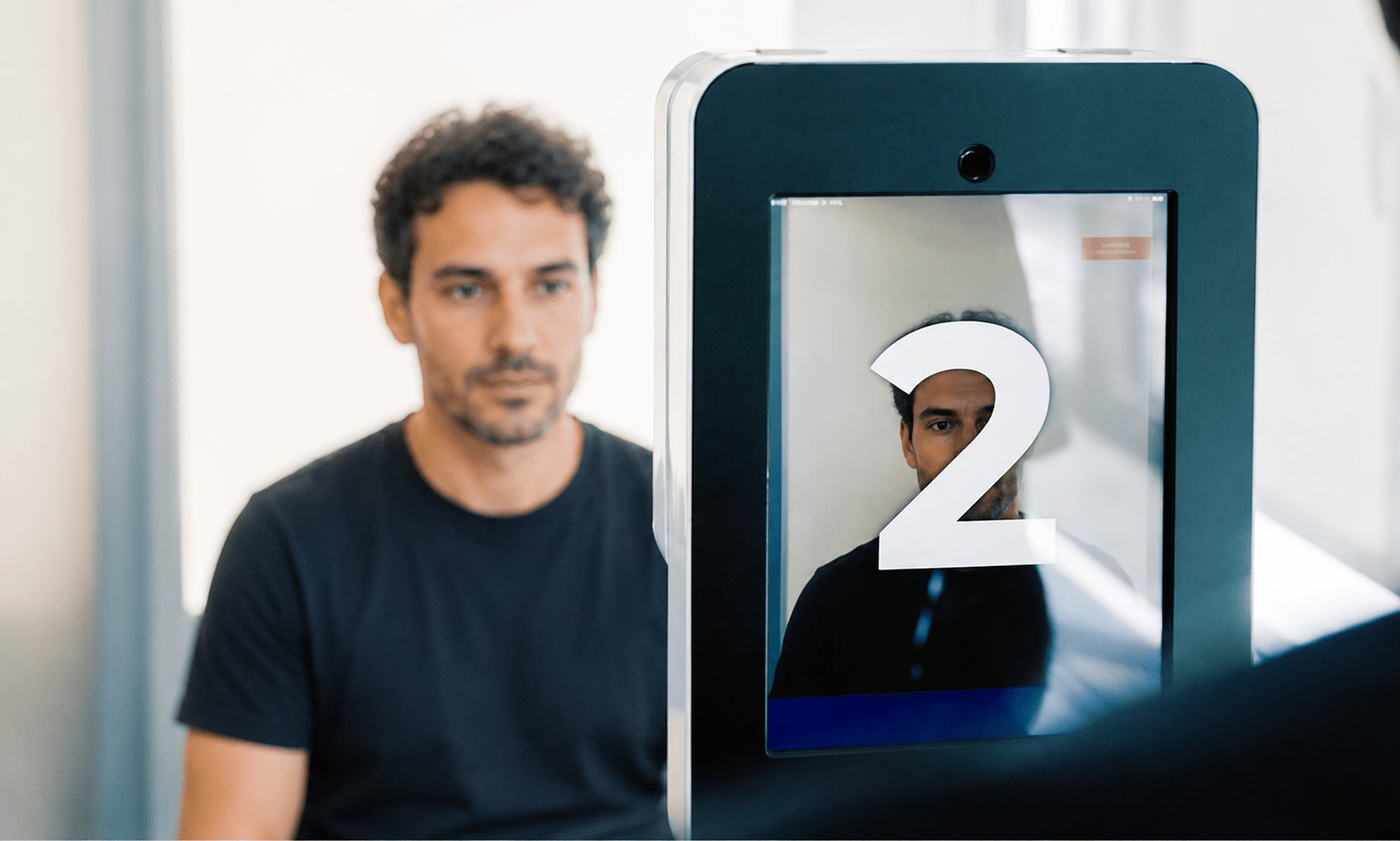
Digital identity in Europe is evolving from a specialized technology topic to a central infrastructure of modern societies. What for a long time mainly concerned authorities, border controls and banks is becoming increasingly relevant for companies, platforms, mobility providers, healthcare services and B2B service providers.
With eIDAS 2.0 and the European Digital Identity Wallet, the European Union is creating the regulatory framework for a new generation of digital ID processes. At the same time, the requirements for data protection, security and trustworthiness are increasing. Deepfakes, AI-generated identity fraud and international cyber risks are fundamentally changing how identities must be recorded, verified and digitally transmitted.
This is creating a market that goes far beyond traditional ID documents. Cloud-based trusted identity platforms that capture biometric data, process identity information and control digital processes in a reliably coordinated manner are in demand.
This development is particularly relevant for pixolo. With solutions for professional biometric image capture and secure digital ID processes, pixolo operates precisely at the interface between regulatory requirements, technical infrastructure and practical application in the everyday lives of authorities, retail partners and B2B customers.
The EUDI wallet is changing the European identity market
With the revision of the eIDAS Regulation, the EU is creating the framework for the European Digital Identity Wallet, or EUDI Wallet for short. The aim is to provide all citizens and companies within the EU with a digital identity solution that can be used throughout Europe.
Member states should offer at least one state-recognized digital wallet by the end of 2026. Users should be able to securely store and use digital evidence in it, including
- Identity cards
- Passports
- Driving licenses
- Health certificates
- Educational qualifications
- Company data
- digital signatures
The approach goes far beyond previous login or authentication solutions. The wallet should not only make individual digital proofs available, but also create an interoperable identity infrastructure that works across borders.
This results in new requirements for:
- Biometric enrollment processes
- Protected data transmission
- Identity verification
- Standardized interfaces
- Trustworthy platform architectures
- Data protection and compliance
The question of how identity data will be recorded, checked and transferred to authorities or digital platforms in a controlled manner in the future is particularly relevant. It is precisely at this point that professional capture and transmission solutions become a crucial component of the new ID infrastructure.
Why biometric processes are becoming more important
In parallel with the digitalization of proof of identity, biometric processes are becoming increasingly important. Facial recognition, liveness detection, iris scanning and fingerprint capture are becoming central components of modern ID processes.
One of the main reasons for this is the increasing risk of digital manipulation. AI-generated images and deepfake technologies are making traditional visual checks increasingly unreliable. At the same time, users expect digital processes to be fast, mobile and as simple as possible.
Demand is therefore growing, especially for systems that:
- Capture biometric data in accordance with standards
- Automated image quality check
- Recognize manipulations
- Enable protected identity workflows
- Support different national requirements
In the European environment in particular, tested, regulatory-compliant solutions are gaining in importance. The discussion about digital sovereignty and European infrastructure is further reinforcing this trend.
Ready for eIDAS 2.0 and the EUDI Wallet?
With the successful BSI certification according to TR-03170, pixolo has created the technical and organizational prerequisites at an early stage to meet the new requirements for digital identity processes in Germany. The certification confirms that biometric photographs can be securely captured, checked and transmitted in encrypted form to the relevant authorities.
pixolo ID Pro G4 provides authorities, retail partners and B2B applications with a solution that combines professional biometric image capture with standardized and future-proof processes. The platform supports the high-quality capture of biometric images and is geared towards the relevant security and quality requirements of modern digital identity infrastructures.
The importance of such certified processes will continue to grow in view of eIDAS 2.0, the EUDI wallet and the increasing digitalization of proof of identity. Secure recording, standardized data transmission and regulatory conformity form the basis for establishing trustworthy digital identities.
From individual products to networked identity ecosystems
The market is currently shifting from isolated hardware solutions to integrated digital ecosystems. Today, identity processes must be stationary, mobile and web-based.
This is also changing the role of many providers in the identity market. Instead of individual passport photo systems or local verification solutions, platform models are emerging that combine several steps:
- Biometric data capture
- Protected data transmission
- Digital enrollment processes
- Cloud infrastructures
- Connections to authorities
- Self-service and mobile workflows
For companies, this means a fundamental change. Identity management is becoming part of strategic infrastructure and no longer only affects public authorities or security organizations:
- Banks
- Telecommunications provider
- Healthcare
- Mobility provider
- Insurances
- Travel and platform company
This gives pixolo a clear role: the combination of professional biometric capture, digital transmission and scalable ID processes can help companies and public authorities to implement new regulatory requirements in practice. Solutions such as pixolo ID Pro G4 are an important building block, especially where digital identity processes need to be reliable, user-friendly and compliant.

Germany is already working on digital identity solutions
The development of digital identities and digital documents is also picking up speed in Germany.
The online ID function of the ID card already provides a technical basis for digital proof of identity. At the same time, work is being done on the greater integration of European wallet structures.
The discussion about digital driving licenses is also particularly relevant. A standardized digital driving license solution is being developed at European level, which could be integrated into the EUDI wallet in the future.
For Germany, this means potential changes in the long term:
- digital driving licenses
- mobile proof of identity
- Public authority processes
- Verification procedure
- digital administrative services
There are also specific requirements for digital image and ID processes. New legal requirements for biometric photos and their digital transmission came into force in Germany at the beginning of 2025. The aim is still to reduce manipulation and increase the security of government documents.
One example of this is the BSI certification in accordance with TR-03170, which regulates the secure digital creation and transmission of biometric passport photos. It is considered an important building block for the modernization of government identity processes and shows how strongly the market is already geared towards digital and trustworthy identity infrastructures.
pixolo has already worked intensively on this topic. The BSI certification according to TR-03170 shows the importance of standardized, tested and trustworthy procedures for digital passport photo and identity applications.
This significantly increases the need for professional capture and transmission processes. For public authorities, specialist photo retailers, retail partners and other B2B applications, it is no longer just about the individual biometric image, but about a complete process from capture to secure forwarding.
Trusted identity platforms are becoming a key technology
With the digitization of ID documents, a single verification step is no longer sufficient. The controlled sequence of capture, verification, transmission and connection to relevant systems becomes crucial.
These include, among others:
- Biometric recording
- Automated image analysis
- Quality assurance
- Encrypted data transmission
- Document validation
- Workflow management
- Interfaces to authorities and partner platforms
The focus is on trust. Users, companies and authorities must be able to rely on digital identities being processed authentically, protected against manipulation and in compliance with data protection regulations.
This is precisely why the market is developing in the direction of Trusted Identity Infrastructure. For pixolo, this means that its own role can go beyond pure image capture. Professional solutions for biometric capture and transmission processes are becoming part of the digital infrastructure that makes ID processes secure, scalable and suitable for everyday use.

